 Crossworks
Our story
How Crossworks started
2018 — A retention problem, not a business plan
Jeshua Soh didn't set out to build Crossworks. In 2018 he needed to hire a handful of people in Yangon for his media companies, and ran into a hiring problem that had nothing to do with Myanmar. In Singapore, his SMEs were competing for talent against an “iron rice bowl” civil service on one side and well-funded MNCs and startups, the Grabs and Carousells of the world, on the other. Good candidates treated an SME like his as a place to park themselves while waiting for something better. Freelancers weren't the answer either: they went to the highest bidder and needed re-briefing every time a project changed hands. Either way, the business kept retraining and re-onboarding people for the same handful of roles, with growth stalling every time someone walked out the door.
What started as cost-sharing became a company
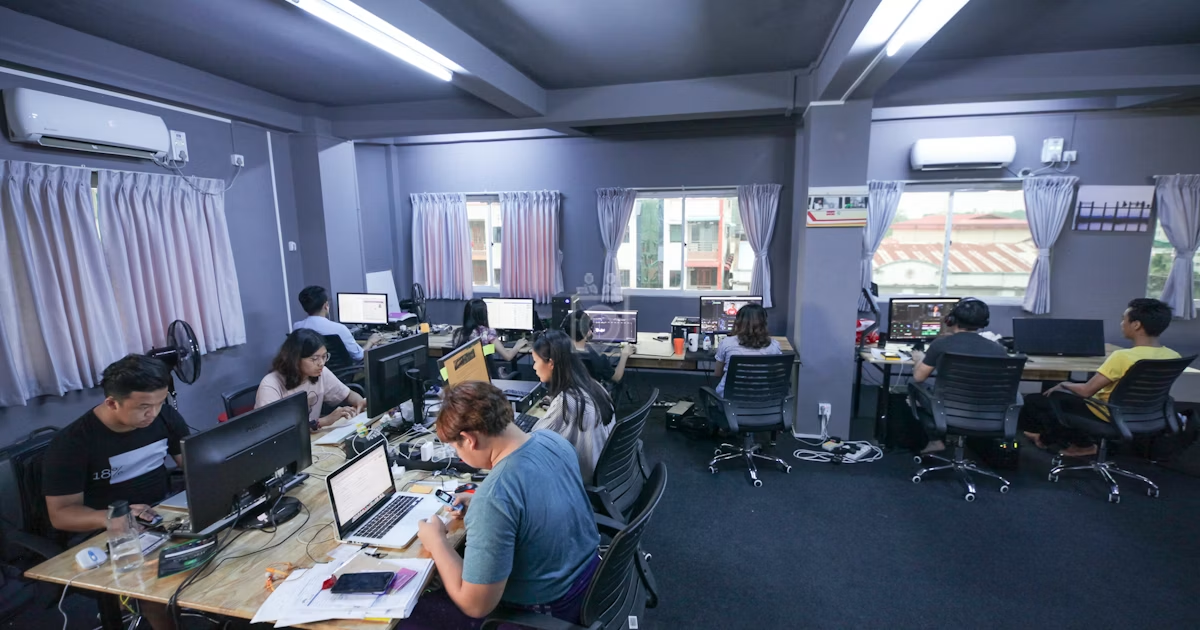
Jeshua opened a small office in Yangon to solve his own hiring problem. Word travelled faster than the plan did: acquaintances began asking if they could tap into Myanmar talent through him too. Before long, more people were working from that office for other companies than for Jeshua's own. Managing that meant hiring people to run HR for people who didn't work for him directly, and Crossworks became its own company almost by accident, built on demand rather than a business plan.
A fuller picture of Myanmar
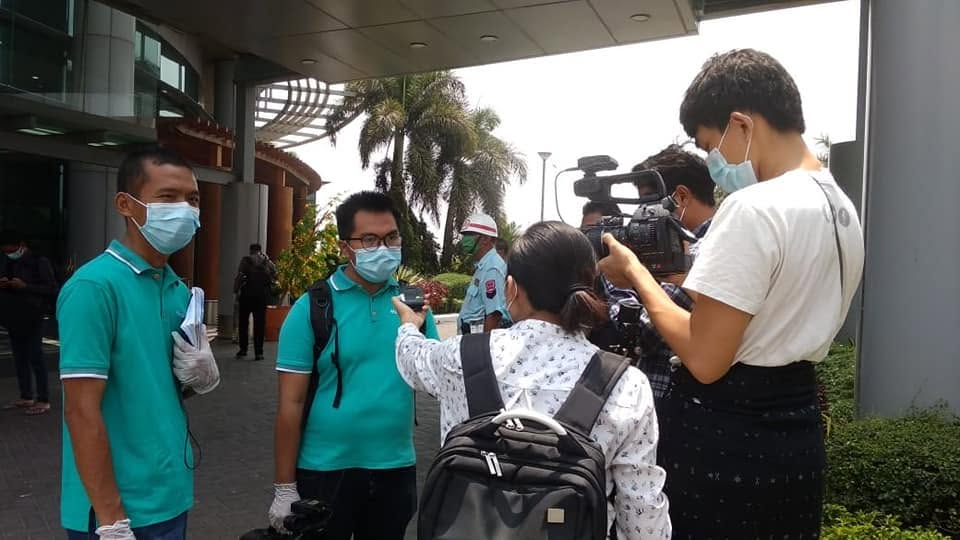
Around the same time, Jeshua kept fielding the same question from people abroad: what's actually happening in Myanmar? International coverage told one story, and not always a complete one, especially once foreign journalists largely left the country after 2020-2021. So he went looking for a fuller picture himself. HEAR Myanmar took him to every state and region in the country, talking to farmers and CEOs alike, and produced more than 120 short documentaries, many filmed in places most Myanmar nationals have never been themselves.
2020 — When the office stopped being the point
COVID-19 closed the physical space that had been Crossworks' whole product. The problems didn't shrink to match, they multiplied. Companies everywhere were downsizing, and the decision was simple: keep as many people employed as possible. The waves of difficulty that followed in Myanmar, electricity outages, banking disruption, a country's reputation working against it, were treated as obstacles to work around, not reasons for good talent to lose access to remote work. The commitment since has been to keep going as long as even one person believes in it.
Why this, and why now
The reasoning is straightforward: if a country's best talent leaves, who is left to lead, mentor, build and solve problems from the inside? It's worth being honest here: Crossworkers aren't drawn from Myanmar's poorest or most vulnerable. Most come from comparatively privileged backgrounds, nearly half have studied or worked abroad, many educated privately or at large multinationals. That's precisely why keeping them in the country matters. They're also the people best positioned to actually change it: fluent in the language and the context in ways an outside volunteer, however well-intentioned, rarely can be, and willing to stay for the long haul in a way outside help often isn't.
Paying it forward
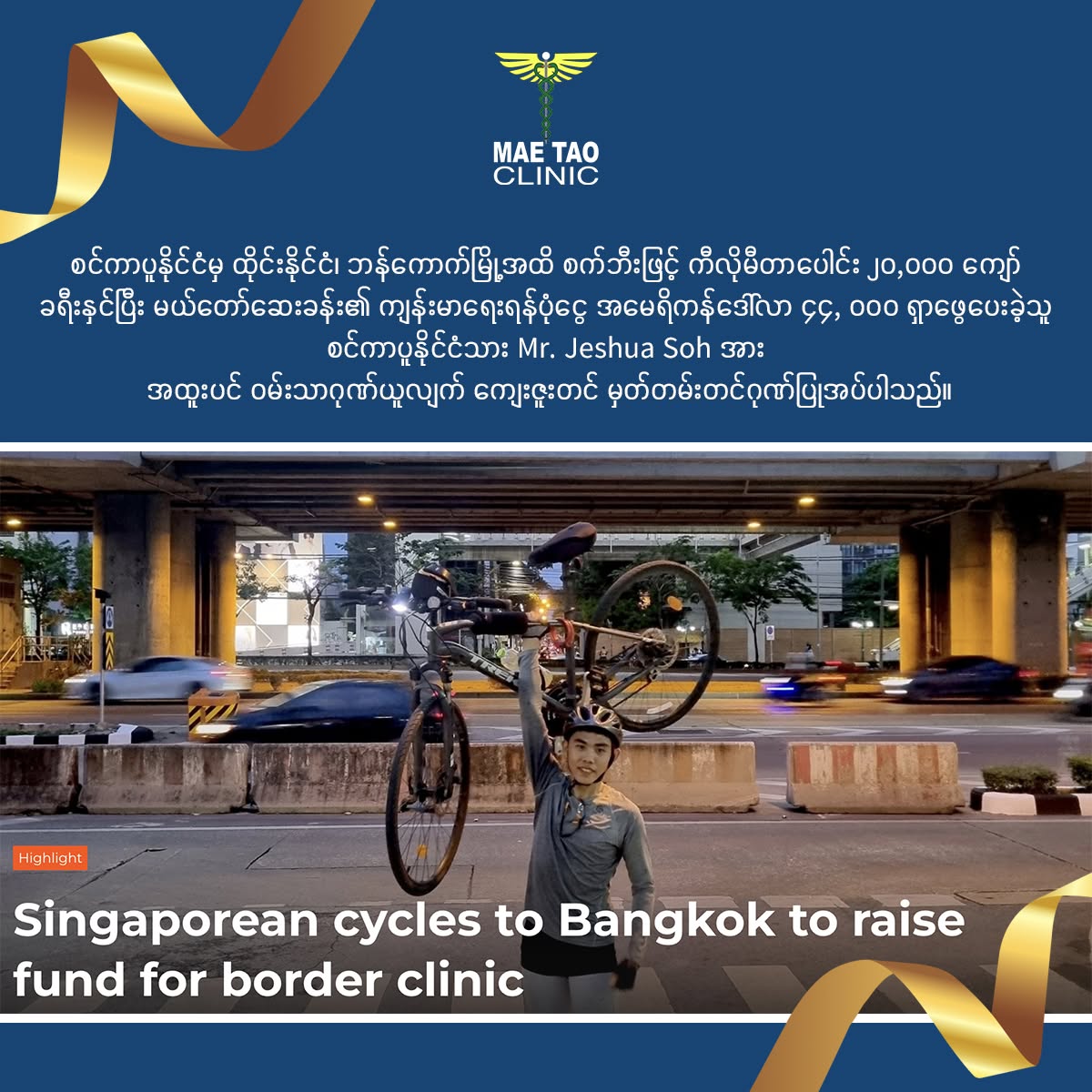
That conviction shows up in what runs alongside the core business: scholarship programmes, support for elderly and orphaned communities, and Shelter for Hope, which is rebuilding roofs and installing rainwater harvesting systems for vulnerable families in Hlaing Thar Yar, rural Yangon. Jeshua has taken on personal challenges for the same cause: a 2,000km cycle from Singapore to Bangkok and a 500km walk from Bangkok to Mae Sot, both raising funds for the health and education of Myanmar migrants through the Mae Tao Clinic.
The invitation
None of this depends on solving everything at once. The hope for every Crossworker is simpler: that being part of this community already makes a difference possible, and that the scale of Myanmar's challenges is a reason to start somewhere, not a reason to wait.
More from Jeshua Soh